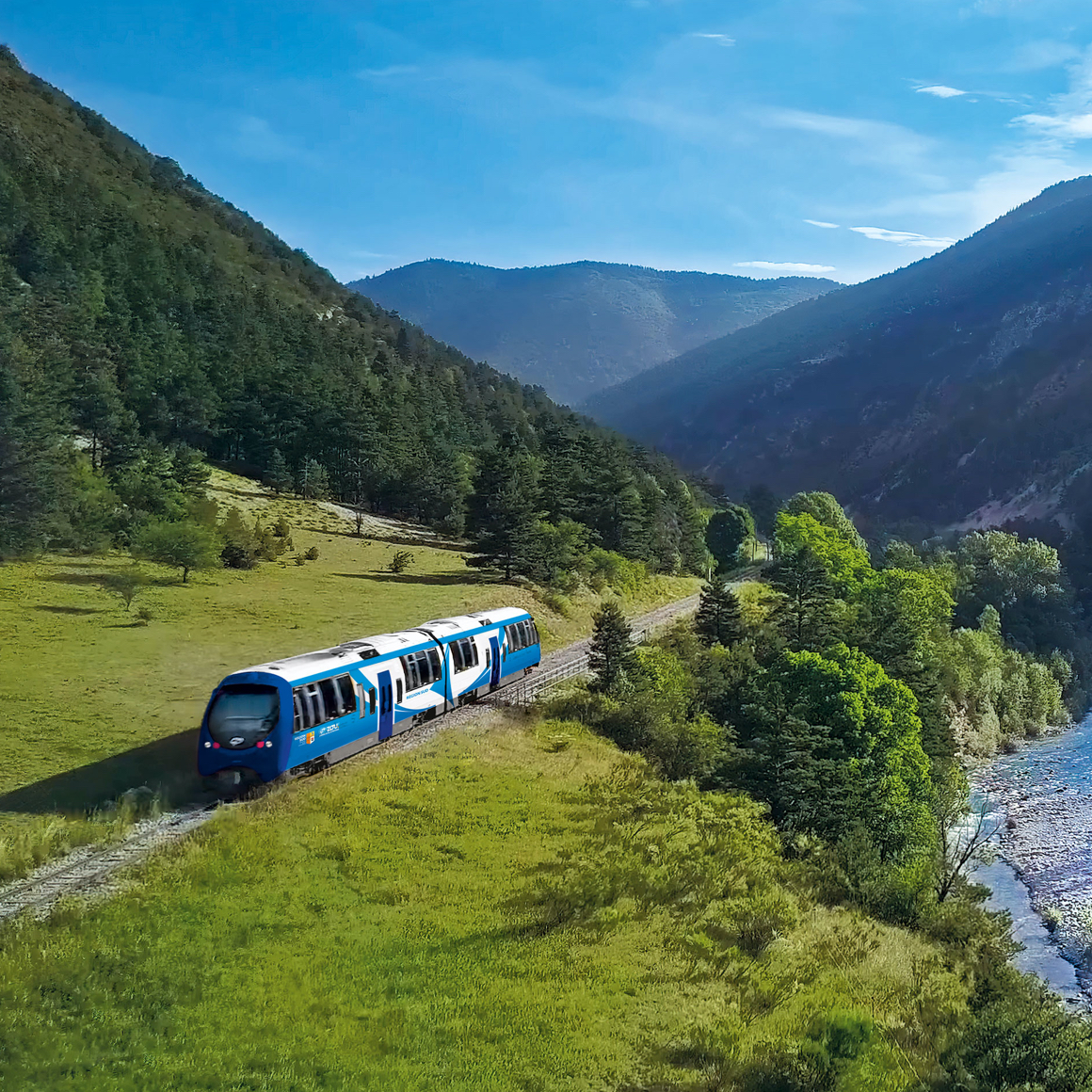
Chemins de fer de Provence
Bringing more than a century of true stories from the Nice-Digne train back to life with the animated series “Il était une voie” (Once upon a track)
wins
1st prize
at the Clap Festival
2026
Between Nice and Digne, the Chemins de fer de Provence train has been winding through the valleys for more than a century. Its passengers have pockets full of memories: a horn that told the time, runaway pigs, donkeys on the track. The Régie régionale des transports Provence-Alpes-Côte d’Azur, which runs the line, wanted those stories heard far beyond the circle of railway enthusiasts.
The challenge. We all have a good reason to travel. But who stops scrolling for the story of a railway line? We had to get a connected audience to watch archive stories right to the end, without freezing the past in documentary form.
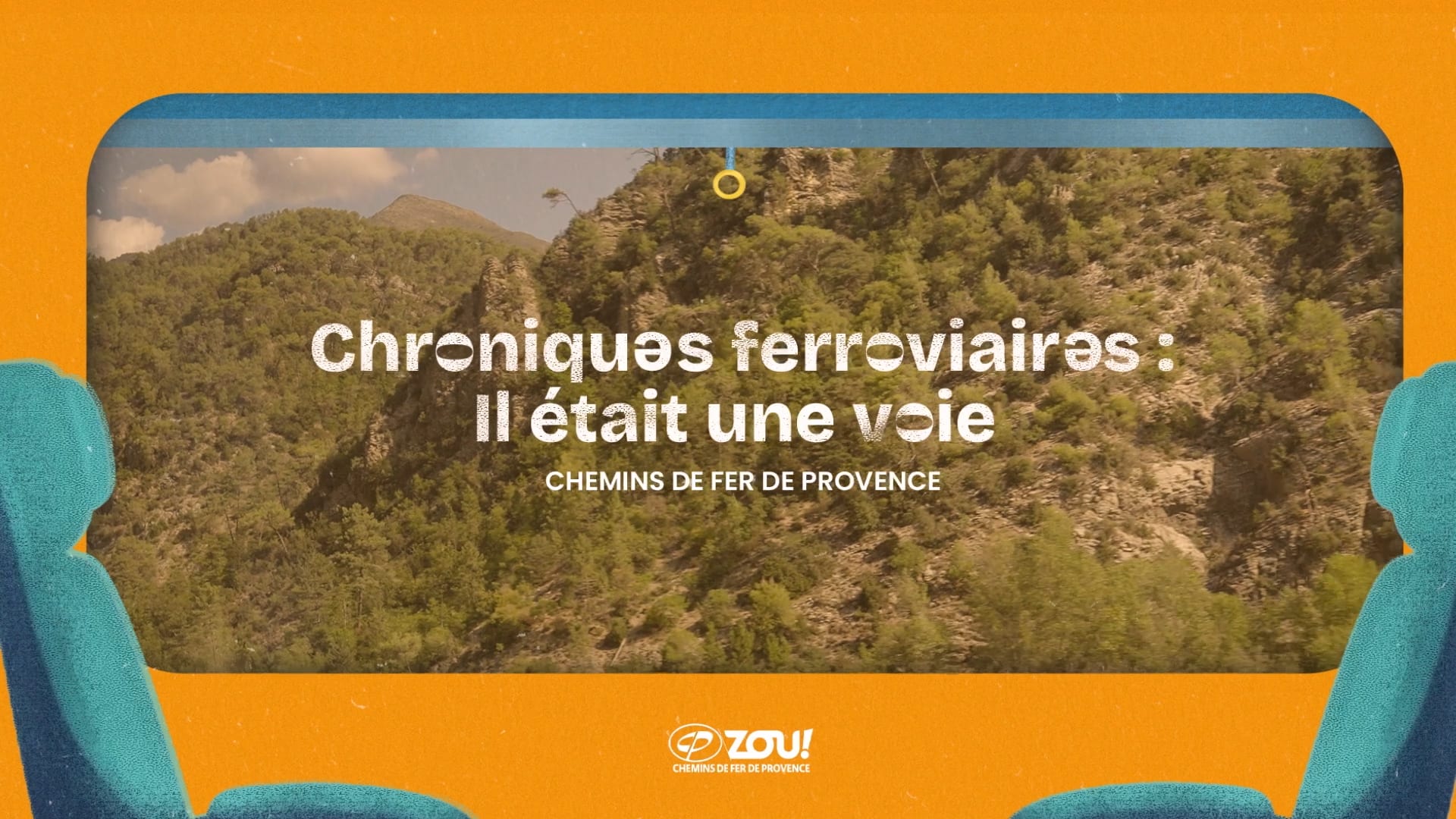
Memory takes the train
The heritage that moves people lives on in passengers’ memories. A resident of Bonson remembers learning to tell the time as a child from the train’s horn: “Papapou! Papapou!”
To carry these memories, we came up with a narrator: a southern “raconteur”, an old travelling companion who has seen plenty of passengers come and go and still chuckles at their stories. With gentle humour and a local accent, his voice travels back in time from 1889 to 2020 and builds an emotional bond straight away.
For these stories, animation was the obvious choice: it revives the imagination and magic of the past, where live-action footage would freeze them.

Six eras,
six episodes
Each episode lasts about two minutes and starts from a true anecdote, gathered from passengers and railway workers. It is the starting point for an unexpected journey through time, crossing more than a century of railway history with a mischievous wink.
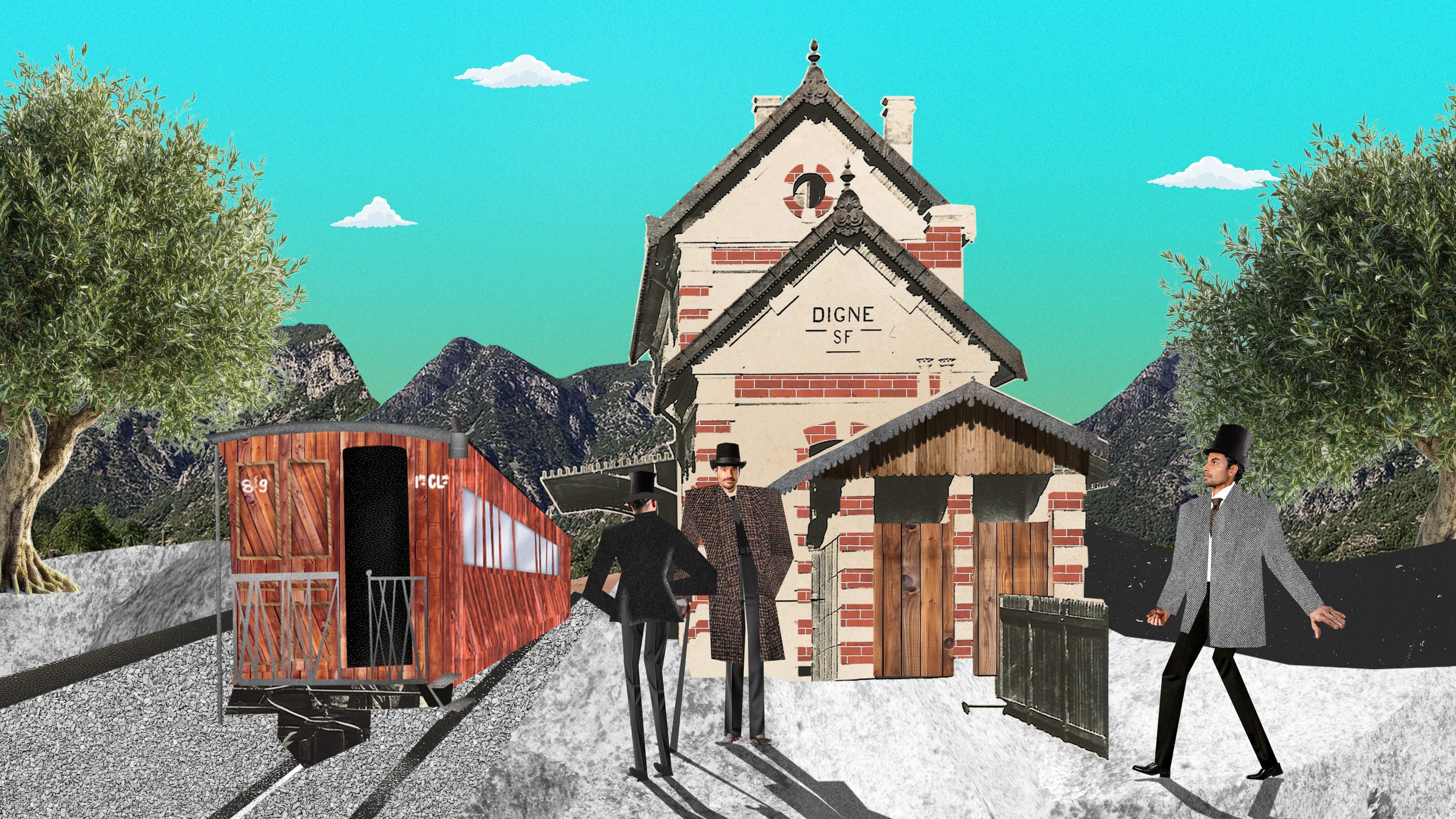
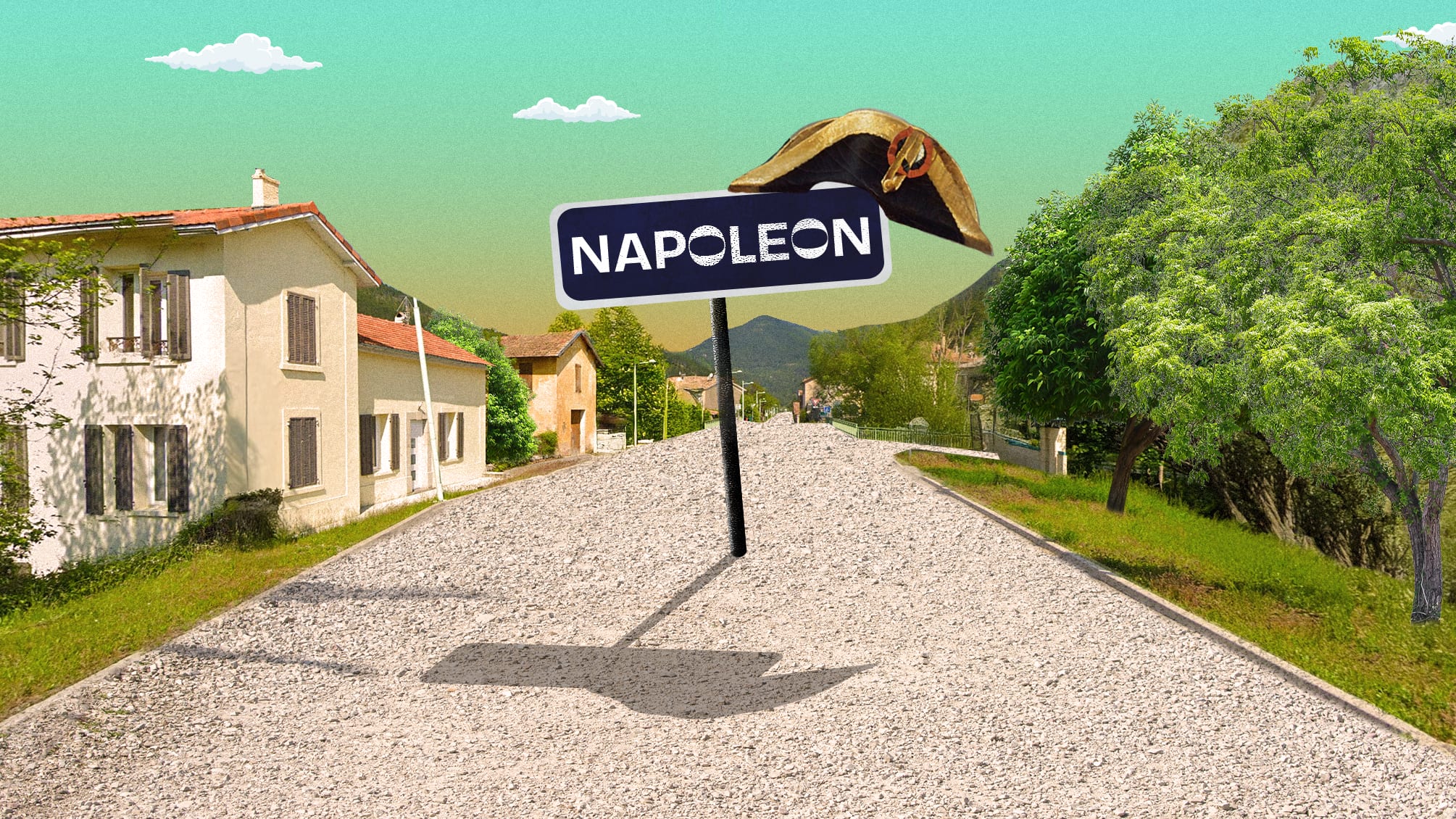
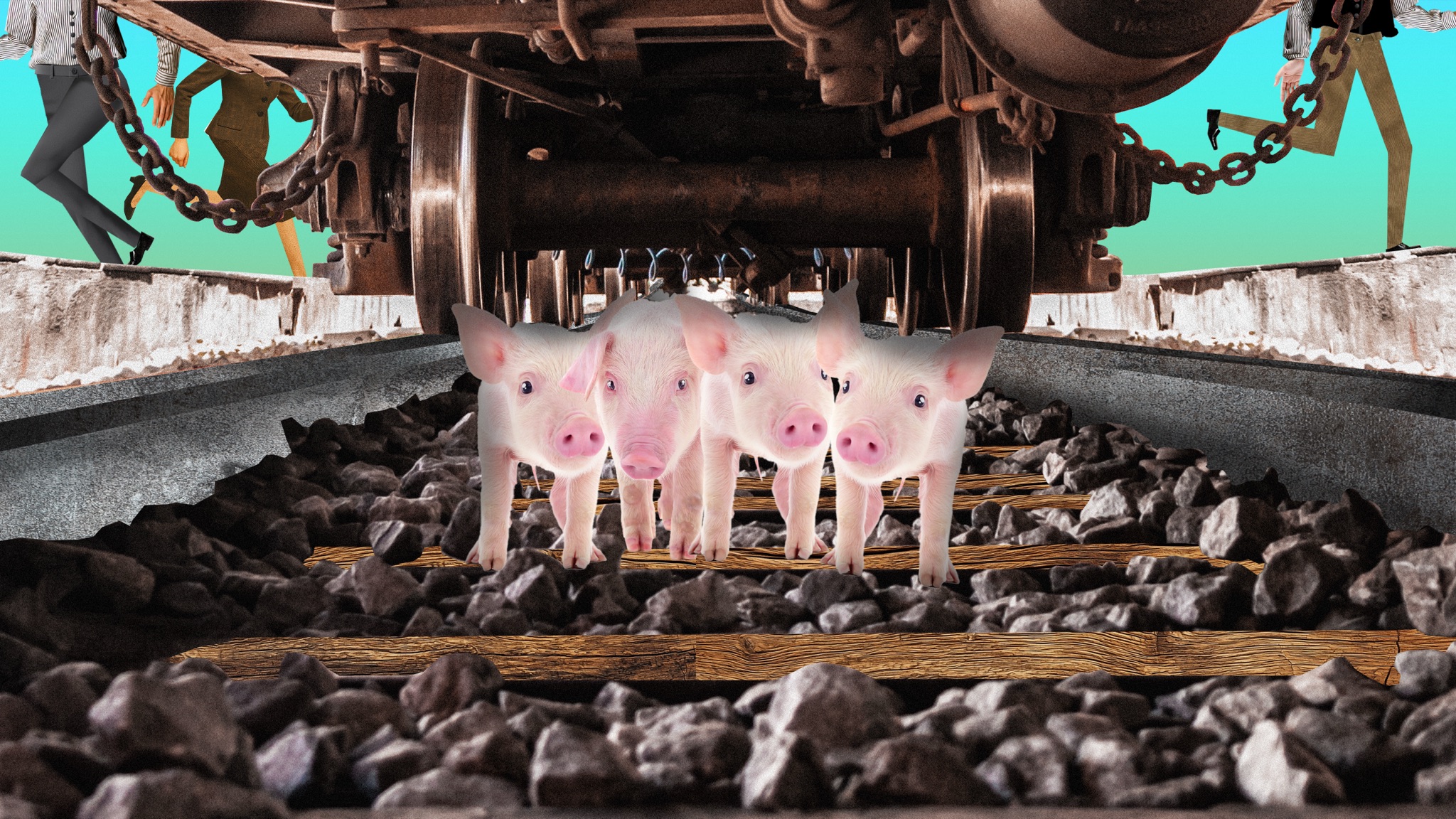
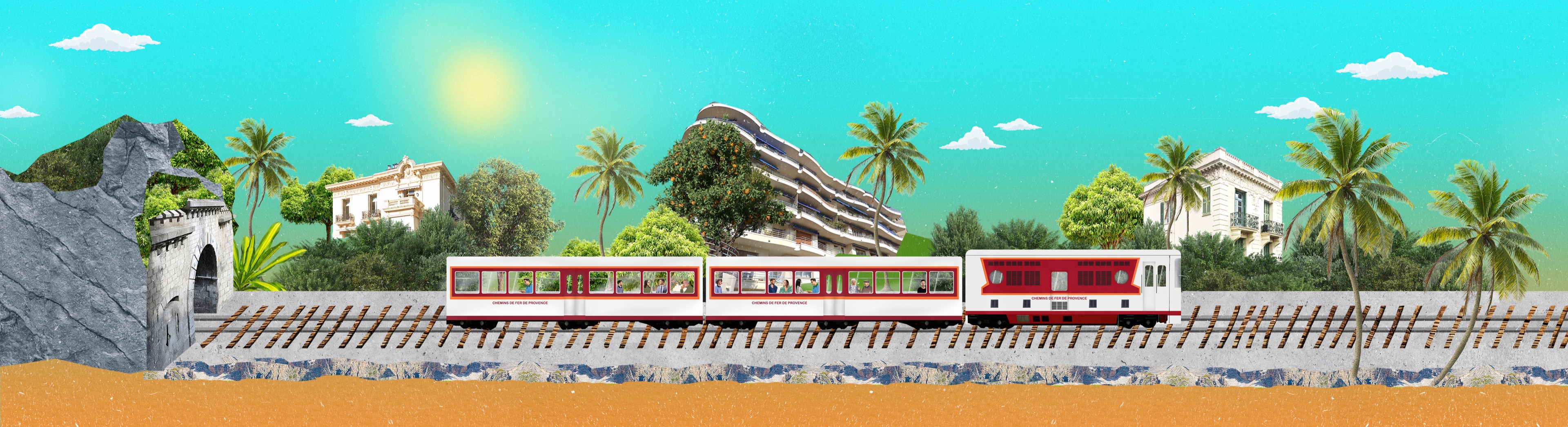
The art direction mixes techniques: cut-out archive photographs, hand-drawn illustrations, textures and colours borrowed from retro travel posters. Every set is a collage composed by hand. Shots are frontal and symmetrical; the movements, deliberately rhythmic, recall a flip-book.
Built like a TV series, to make viewers want to watch one episode after another, each capsule opens and closes on a signature title sequence. Its ending reveals the next stop and invites the community to share their own memories of the line.
Quand le Sud ne perd pas le Nord
Haro sur le bouillon
Sauvés par les p’tits cochons
Tchou, tchou des souvenirs
Il ne fallait pas avoir peur du noir
La vie, l’amour, les ânes
One episode,
one date
The series settled into the community’s feeds like a serial. Episode 1 got things rolling with an awareness campaign; the following ones brought viewers back to the line’s Facebook and Instagram accounts, with extra reach on LinkedIn.
Yet the six films were not made for social media first. Everything about their form comes from cinema: a horizontal frame, two-minute episodes where social media counts in seconds, collage sets packed with detail, sound design crafted to be listened to and not merely heard. They belong on the big screen: a screening is planned at the Pathé Gare du Sud cinema in Nice in 2027.
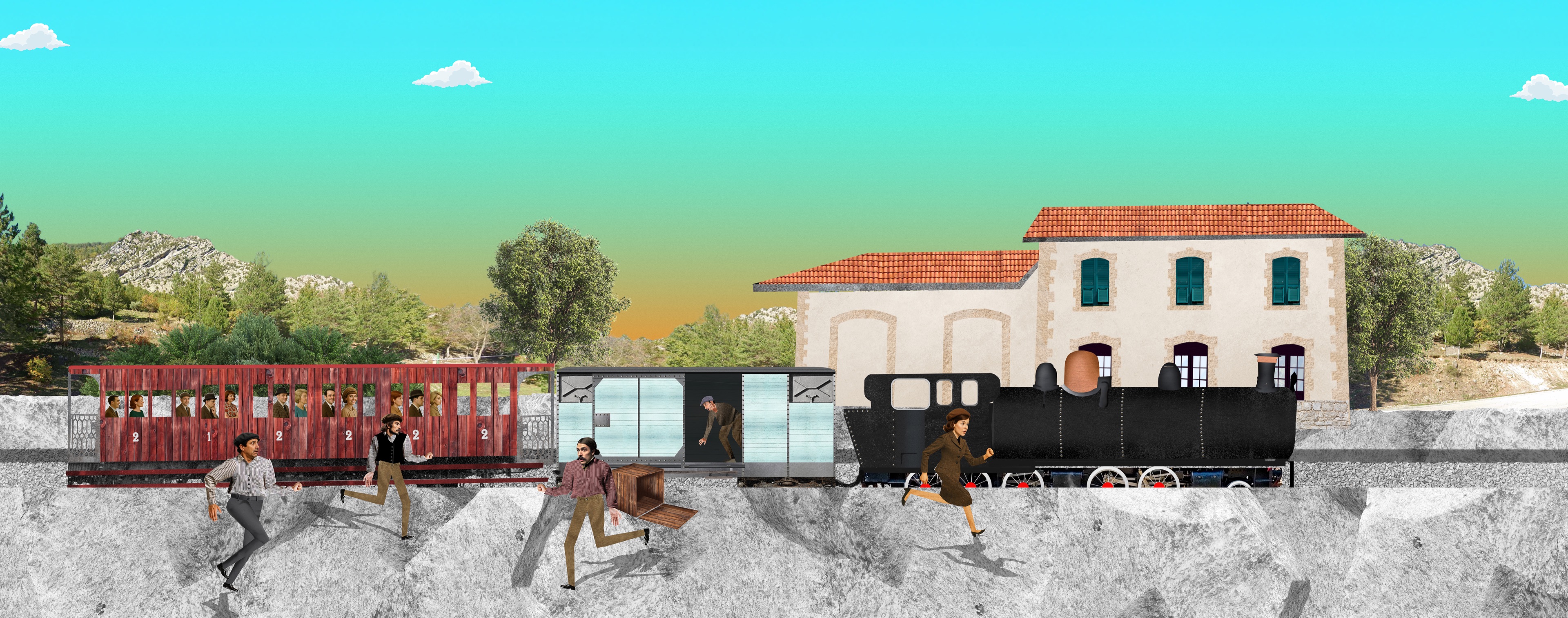
Behind the scenes
complex illustrations, around thirty per episode
of animation, in six films of about two minutes each
of production, up to the final episode in June 2026
Enthusiasts working the points
Journalist and railway history enthusiast José Banaudo, who set out to collect the anecdotes, worked with the line’s teams and the volunteers of the GECP, the Groupe d’étude pour les Chemins de fer de Provence. Together, they checked every detail: the trains, the uniforms and the level crossings, era by era.
Each shot was then cut out, illustrated and assembled by hand. AI only comes in as a last resort, in small touches, on a few character movements.
1st prize
“Open theme”
At the Clap Festival 2026, organised by the CCI Nice Côte d’Azur chamber of commerce, the series won 1st prize in the “Open theme” category.
Here more than anywhere, journeys come and go, but a story well told stays on track.