The metamorphosis of retail in the digital age (part 1): taking stock
Updated on · By Pascal SCRIVANI

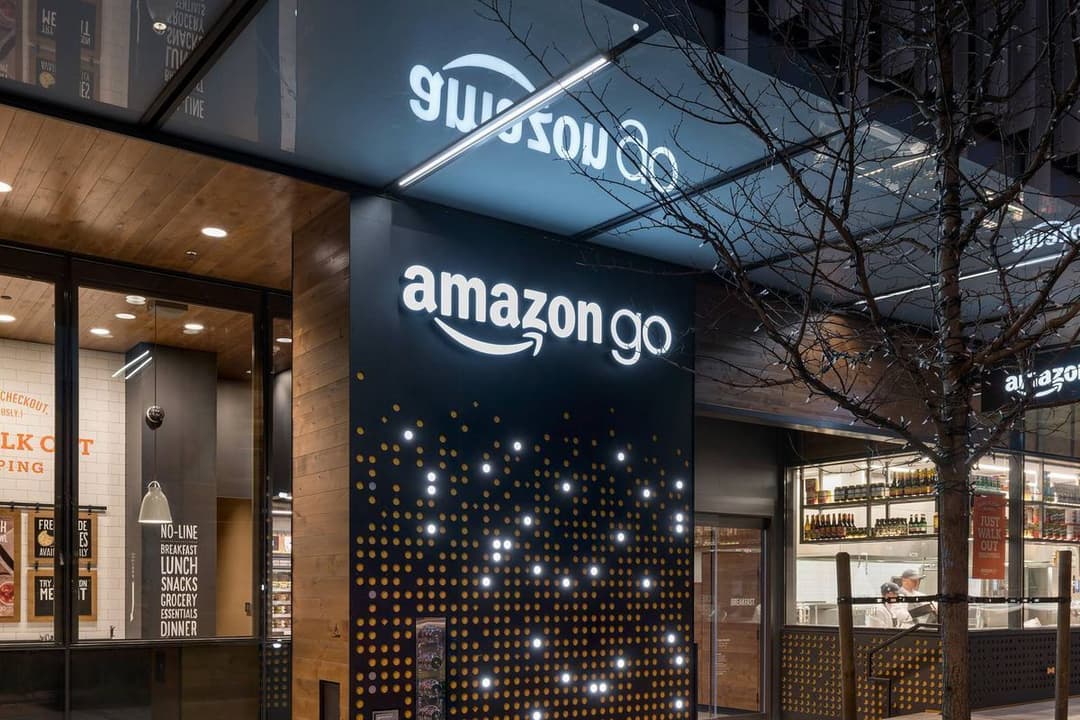
At the end of January 2026, Amazon announced the closure of its Amazon Go and Amazon Fresh shops in the United States. In Amazon Go stores, you took your items off the shelf and walked out without stopping at a till. The group explains that it had not found a distinctive enough experience, nor the business model to roll it out at scale. Two weeks later, the Fevad, the French federation for e-commerce and distance selling, announced that French shoppers had spent nearly €200 billion online in 2025. The shop is holding on, the screen is gaining ground, and each is changing on contact with the other.
Where does online retail stand in France?
It is still growing, more slowly. According to the Fevad's annual review published in February 2026, online sales of products and services reached €196.4 billion in 2025, up 7%, after 9.6% the previous year. Transactions are rising faster than turnover, and the average basket is shrinking again, to €62 (−3%).
That shrinking basket points to a habit. People buy online more often, for smaller amounts, without making a big deal of it. M-commerce, shopping on your phone, extends the trend: you order from the sofa, pay in two taps, track your delivery during your lunch break. Competition has grown denser at the same time: the Fevad counts more than 158,000 active e-commerce sites, 7% more in a year.

Does the physical shop still have a future?
Yes, if it knows what it is for. The Fevad puts e-commerce at 12% of retail product sales: nearly nine euros in ten are still spent offline. Footfall, though, is eroding. Procos, the French federation of specialist retailers, recorded in 2024 a 1.6% drop in store visits, sharper in town centres, and a commercial vacancy rate that rose from 9.73% to 10.64% in a year.
Fewer visits, then, and each one counts for more. The customer who pushes the door open has often looked at everything on their phone already: they come to check, touch, take away, ask for advice. The neighbourhood shop keeps an edge here that a website cannot copy. It is right there, straight away, with someone to answer.
The end of Amazon Go points the same way. Its till-free payment technology lives on: Amazon supplies it to more than 360 third-party sites in five countries. Our reading: the public shunned a shop built around a technical feat, and stays loyal to places that give it a reason to come.
Are the traditional strengths of retail still enough?
They remain the foundation, and they now play out online. The traditional differentiators (price, proximity, quality) are judged before anyone even walks in. Price is compared in seconds from the aisle. Proximity is also measured in delivery times and pickup points. Quality is read in reviews, checked before setting off.
For a franchise network, this reputation is built shop by shop: each outlet has its own opening hours, photos, reviews and online replies, and customers judge the whole chain through the shop closest to home.
Phygital: what are we really talking about?
A form of retail where the shop and digital serve the same customer, with the same information. The word long referred to screens in shop windows and kiosks in the aisles. Today it covers quieter services: checking a shop's stock before going, being told when a sold-out item is back, finding your purchase history wherever you made those purchases. This hybrid retail mostly gets noticed when it is missing.
What should digital bring to your business?
Whatever your customers already look for before, during and after their visit. Five questions are enough to make the diagnosis.
Why do people come to you rather than shop online? Advice, trying things out, immediacy, the pleasure of browsing: that is what your digital tools must protect, and never replace.
What do people look for before coming? Opening hours, stock, prices, reviews. If those answers are missing online, the customer will find them at a competitor's.
Who are your real competitors? The shop across the road, a national chain, a marketplace, a seller active on social networks: each one calls for different weapons.
Does your website serve your shop? A site that reads well on a phone is the bare minimum. The real question is what it lets people do on their way to the shop, and whether its prices, stock and tone match the shop's.
Who talks to your customers between visits? Newsletter, social networks, local campaigns, messaging: without a go-between, the bond slackens until the next urge, which is often satisfied elsewhere.
With that diagnosis made, the next step is choosing the levers: click and collect, local search, stock visible online, the in-store experience. The second part of this series reviews them. The shop that comes through will look less like a technology showcase than a place where you find, straight away, what the screen promised.