ShakeNews: Social, Media, AI, E-health, the News Well and Truly Shaken
Published on · By Pascal SCRIVANI
Shopping coming soon to Instagram
A phenomenon born with social networks, social selling aims to become the spearhead of e-commerce. It will soon be possible to buy directly through Instagram. A real opportunity for brands, this is the trend to watch very closely this autumn. To take advantage of this quick, simple feature, there are two conditions: have a business account and ask Instagram for access to “shopping”. As Instagram already enjoys huge brand awareness, it is a very shrewd way for this web giant to win over retailers. A small revolution is under way…

Facebook monetises its stories
Facebook has made it official: ads are coming to stories along with the option for users to add links to them. The platform, which lost a little momentum after the controversies over leaks of users' private data, is trying to stem the rise in app uninstalls (+26% according to Pew Research Center). So it is a strong move by Facebook as it sets out to win over users and brands alike.
Brands all over the world will be able to sponsor their vertical content to an audience of more than 300M daily users across Facebook and Messenger. An Instagram rerun? Not a bit of it, because Facebook is offering these new features to all users, whereas Instagram only gives this option to people with 10,000 followers or more.
Google Assistant shakes up the rules of SEO
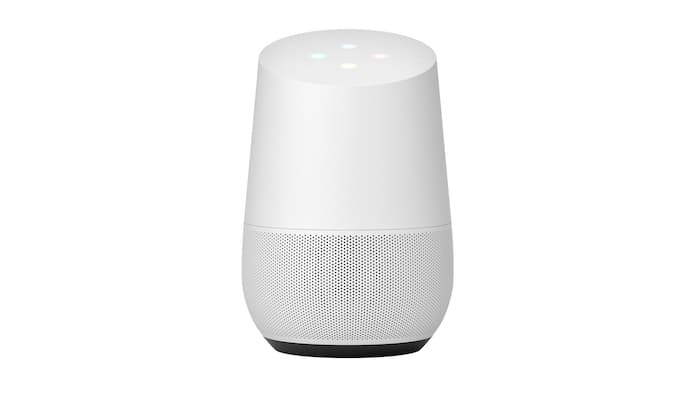
A small technological revolution that has recently burst into our lives: the Google Assistant. The voice assistant can hold a conversation on top of the features it already had, such as web searches, scheduling events and setting up profiles and devices. It can also interact with connected household appliances such as ovens, coffee machines, fridges and air conditioners. Voice assistants like Google Assistant will take up more and more room in our lives thanks to the variety of solutions they offer. So it is important to understand how Google Assistant returns search results because it works differently from a search in a browser or on a mobile. During a voice search, the assistant will answer the question with a featured snippet as the only search result. To capture this voice traffic, Google relies in particular on schema.org structured data embedded in the page's source code. Here are the 8 most important data tags among those already used for voice: book, news, event, recipe, corporate contact, podcast, media action, speakable.
Speakable is the most recent. It lets you highlight content or a passage that is particularly easy to read aloud using speech synthesis algorithms (text-to-speech), notably those of voice assistants and smart speakers such as Google Home, HomePod or Alexa. A few rules need to be followed to mark up a text properly:
- Use the schema.org vocabulary.
- Marked-up content should have a concise headline and/or summaries that give users understandable, useful information.
- Marked-up text should represent around 20 to 30 seconds of audio, or two to three sentences.
Snapchat sets out to conquer e-commerce
Getting hold of an item just by taking a photo of it? You dreamt of it, Snapchat did it! Teaming up with e-commerce giant Amazon, Snapchat is launching its new feature called Visual Search. A genuine innovation set to delight every shopper. Soon you will be able to buy the little dress you spotted on the shop assistant while out shopping, or the gorgeous pea coat you envied on your office colleague. How? The process will be very simple. All you will need to do is scan the item or its barcode and follow the steps. An extraordinary customer experience already available to a lucky few in the United States. Alongside this development, Snapchat is rolling out 4 new marketing innovations this autumn:
- Shoppable Snap Ads: this feature gives users access to product details through the catalogue offered by brands.
- Product catalogue: advertisers can import their product catalogues into Snapchat.
- Advanced Pixel Targeting: this tool lets advertisers create custom audiences based on the actions users take on their website. They can then show Snapchat users campaigns that match their shopping preferences.
- +30 partners for the Snapchat Partners programme: Snapchat intends to extend its “Snapchat Partners” certification programme to agencies specialising in e-commerce, direct response and data-driven marketing.
A marketing segmentation that has been carefully thought through.

Doctor Google, the “e-health” player of the future…
Trusting Doctor Google to cure what ails you? It may sound far-fetched… and yet the web giant is moving into medicine through artificial intelligence. Since 2013, Google has been investing in Calico, one of its subsidiaries. The goal? To harness cutting-edge technology to improve our understanding of biology and fight ageing. Even if it remains utopian for now, Google says it wants to move towards a life expectancy that could reach 500 years thanks to technology. The project named Baseline thus combines people's habits with big data, going as far as analysing those habits daily and continuously with multiple sensors and other connected devices.
Alongside its medical research, Google sells connected devices, including contact lenses designed to help people with diabetes in their daily lives. How do they work? They analyse, on the wearer's behalf, the blood sugar level contained in food and can then alert them thanks to the technology built into the lens. With such futuristic projects, Google is showing real ambition in the e-health sector. The group can draw on its know-how to push back the limits of medicine… and maybe become a heavyweight in healthcare?