ShakeNews No. 3: Social Media, Digital Marketing, E-Commerce, SEO, AI
Published on · By Pascal SCRIVANI

LinkedIn and YouTube take a leaf out of the “Stories” book
Victims of their own success and popularised by Instagram, Facebook and WhatsApp, Stories are coming to LinkedIn. The professional social network is getting ready to launch the concept, which promises more engagement and interaction from users. In its initial phase, the scheme, called “Student Voices”, is aimed at American students and is designed to help them showcase their skills and academic path. This new space for self-expression is a real springboard as they prepare to enter the working world. Students will be able to post short videos visible on their campus's LinkedIn page; the videos will vanish after a week but will still be visible on their profile.
It is a real opportunity for digital natives, and for companies, which can get a first glimpse ahead of recruiting. The only downside: snapshots of this kind may, through their immediacy, take some of the shine off the network's formal character. YouTube, for its part, a social media platform with a few million users a day, has also chosen to try out the concept. One small point in common: the feature is reserved for the biggest accounts, those with 10,000 subscribers or more (stars, influencers…). The aim is to help people discover new channels and to drive more traffic on the platform.

Emoji Builder: the website for creating your own emojis
True “stars” of the online world, emojis have taken over our lives. Used to excess to get a message across, to entertain or even to replace words, they keep growing in number (50 emojis added this year) and in originality with each iOS update. Recently we've seen the arrival of the little red-haired man, the lobster and plenty more! Still, some users complain that they don't always match their emotions. That complaint has opened up new possibilities, including the creation of the Emoji Builder website.
So what is it? Emoji Builder is a platform where users can have fun creating their own emojis from a basic template. They are then free to let their creativity run wild and customise them however they like. Once the emoji is created, simply save it as a PNG. We've already tried it and we're FANS!
Cart abandonment: the details that make all the difference
With Christmas around the corner, the question of presents comes up… While some of you made the most of Black Friday to snap up bargains, others still have no idea what to choose to please their loved ones. In the age of all things digital, online shopping has become very popular in recent years, especially among young people caught up in consumer fever. According to FEVAD (the French e-commerce and distance selling federation), French people make an online purchase every 8 days on average. A sizeable figure that nonetheless hides a reality… When it comes to buying, many web users still tend to hesitate just as they are about to confirm their order. Cart abandonment is proving a real scourge for many retailers who fall victim to it.
So what are the obstacles and motivations when buying online? While the user experience is open to new retail practices, e-commerce faces a number of fears. 67% of French people think shipping costs are too high, and 37% say delivery times are too long. In addition, 63% of French people say that a simple returns and exchange service would greatly improve their customer experience, and 28% agree that stock availability is a major obstacle to buying. Users are picky: they check out the competition and leave their cart for several days before making a decision. A hesitation explained by the impact of price.
Some sectors, such as finance, fashion and luxury, and furniture, are hit harder than others by these weak spots, hence the need to act. So how do you trigger the purchase? For 61% of French people, receiving a promotional offer would encourage them to buy more. A price comparison tool could also reassure them. Finally, it would be wise to play on customer experience through technology, a practice that keeps diversifying over time…

Google Discover coming soon to the mobile web
Don't be surprised if a noticeably different page soon appears on your smartphone… Last September, Google rolled out the Discover feed on google.com for Android and iOS devices, already available in the United States. A real revolution that could well shake up the way we use Google. This discovery feed, which replaces Google Feed, aims to offer users information (images, videos, news, etc.) about their interests without them having to run a specific search.
It is a strategic move, because Google hasn't really changed in 20 years (its homepage has always been almost empty of content). It is also a major issue for SEO: you'll need to appear in the selection to capture as much traffic as possible, which means offering content more likely to appeal than the rest. It is also a clever way for Google to compete with the social networks that have overshadowed it over the past decade by positioning themselves as the preferred gateway to the web. We all share the reflex of heading to Facebook or Twitter first to catch up on the latest news, or simply to pass the time. So you'll soon be able to dive in and personalise your feed to suit your tastes!

AI is behind new models of care
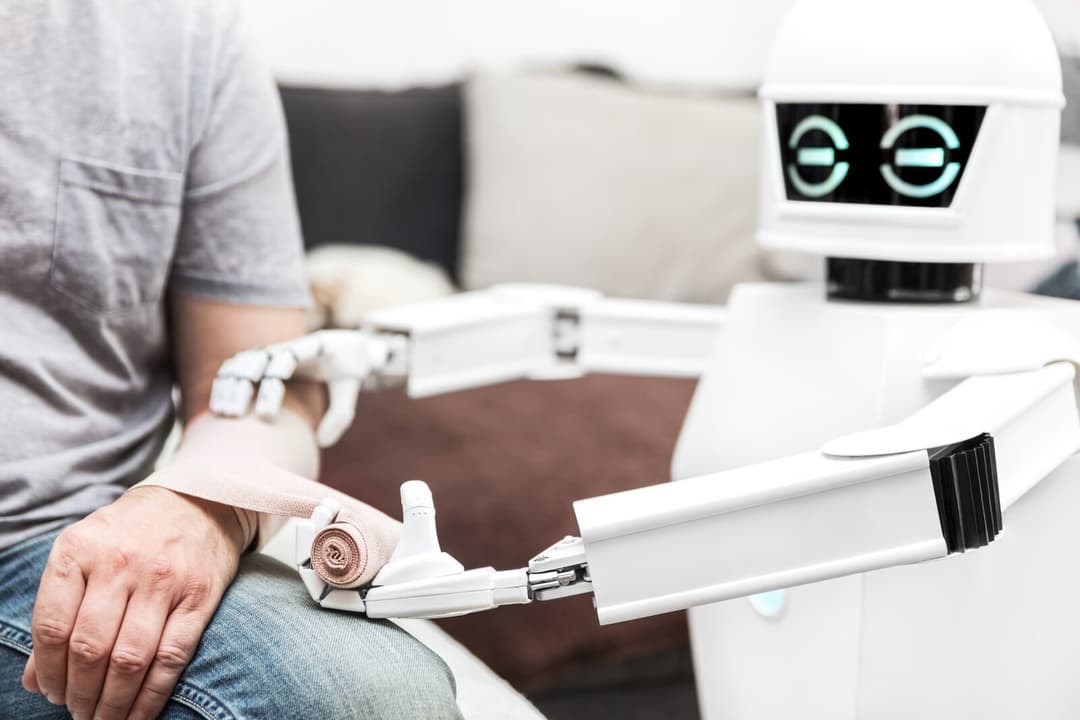
A hot topic that defines the 21st century, artificial intelligence keeps pulling off remarkable feats. Present in several fields of research, it is proving its worth in medicine in particular. It could reportedly make a diagnosis faster than a doctor, assist with care and even help write prescriptions… an unhoped-for time saver! What's more, it represents a real revolution for the better in decision-making.
As a technology of the future, it's a safe bet that it will be promising, but we shouldn't expect miracles either: it will certainly support humans, make exchanges smoother and show a degree of critical thinking, but it will not replace people, or so we hope. Another question raised is whether patients will accept it. Will they be willing to play along? Patients clearly need empathy, support and understanding when they go through difficult times in life, so it is vital to keep things in perspective and stay alert to technological advances.