Influencers and brands, chatbots and social media news: the state of play
Published on · By Pascal SCRIVANI

Influencers and brands: where things stand in 2019
Does the word influencer ring a bell? Born with the rise of blogs in the 1990s and, more recently, of social networks, influencers have become the go-betweens brands can't do without when running a marketing campaign. Opinion-makers and sources of inspiration for their community, they have a considerable influence on buying behaviour. But who are they, really? What role do they play in a world that gives more and more room to the virtual? And how do brands turn them into a juicy business?
According to the REECH 2019 study “influencers and brands”, 60% of influencers are aged between 19 and 30. A generation of Millennials at ease with digital. For most of them, Instagram is the network of choice for growing their community. With an engagement rate of 72%, Instagram is ahead of Facebook, YouTube and blogs. And follower numbers? 82% of influencers have between 1k and 50K followers. As for those above that limit, 50% of them have been on social networks for more than 4 years, the time it takes to build a solid brand image. Finally, lifestyle turns out to be one of the most covered topics, for 40% of them! Influencers love sharing their way of living, being and thinking. And where do brands fit into all this? Keeping a close ear on Millennials, more and more of them are turning to influencers and staking a claim in this growing market. Product placements, promo codes, competitions, tutorials… Partnerships are all the rage in 2019! In fact, 86% of influencers have already partnered with a brand, mainly through Instagram and blogs. The aim? To rally as many consumers as possible and get them buying (no moderation required).
Even so, 96% of influencers stay transparent with their community about partnerships. A smart way of holding on to some credibility. So what do they really stand to gain from all this? Besides genuinely liking the product they showcase on their account, money comes into play. Even though it stays below 500 euros for 87% of them, a small handful of influencers can hope to earn more than 20,000 euros. A considerable income, sometimes enough to make it their main job. Influencer: a career with a future? Either way, it's a job with everything it takes to set plenty of people dreaming.

Generation Z reportedly watches 3 hours 25 minutes of online video a day
In a society that gives pride of place to hyper-connection and screens, video has established itself as the star format, especially popular with younger generations hungry for new technology. The craze first won over Generation Y, more commonly known as Millennials, made up of people aged 18 to 35, and then their successors, Generation Z. Both these young generations have one thing in common: they are hooked on everything that revolves around the web, above all social networks. Yet their viewing habits differ noticeably. Studies suggest that “Gen Z” spends 3 hours 25 minutes watching videos, compared with 2 hours 30 for their elders. What's more, YouTube is Gen Z's favourite platform, while Millennials stay loyal to Facebook.
According to a Wibbitz survey, Facebook ranks as the best platform for news. Young people like to keep up with the latest stories through this social media platform, at the expense of television, which has been losing favour in recent years. YouTube, beloved of video creators, leans more towards entertainment and educational content. What about video advertising? Gen Z and Millennials don't necessarily see it in a bad light. It goes down even better on social networks. Video has become the most engaging format and that's an opportunity for brands willing to get creative to win over web users.

You can now share your Netflix series on Instagram Stories
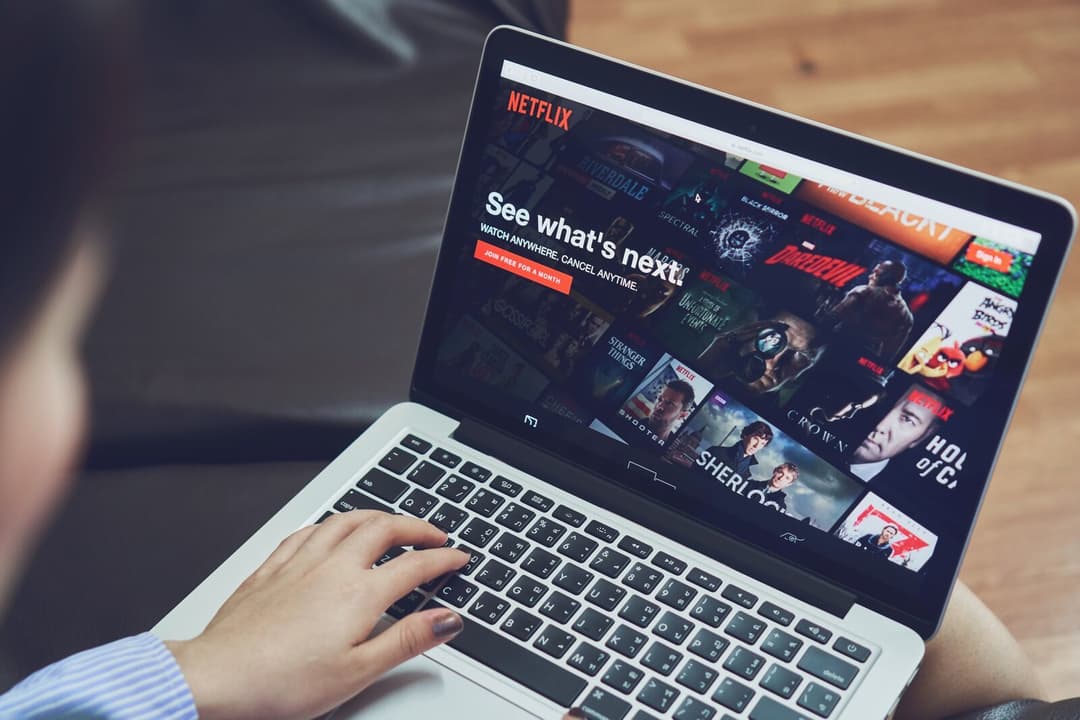
After Twitter, Facebook and WhatsApp, it's Instagram's turn to join the list of social networks that work with Netflix. Hugely popular with the general public, the streaming giant for films and series now lets you share its content via Instagram Stories. For now, the feature is only available to users of the iOS app. Every user of the Netflix mobile app can now share the series of their choice in their Instagram story. And it couldn't be simpler! Spotify, the audio streaming app, already lets you share the music of your choice through stories. So we're not too surprised to see the American giant do the same, given that friends and family are, most of the time, the best recommenders when it comes to picking a TV series. A smart, strategic move from Netflix, much to the delight of its fans!
Snapchat is considering permanent stories
Snapchat is about to make a rather surprising change. While one of its strengths since its launch in 2011 has been sharing ephemeral content, the platform wants to change the way it works. Its executives would like the content users post in their stories to be viewable over a long period. But don't panic! This change shouldn't have too many consequences. Snaps sent to your contacts will still be ephemeral. And if the change does go ahead, you'll still be able to delete messages from your story manually. For Snapchat, it's a strategic way to reinvent itself by taking an interesting turn, because long-lasting content could help it stand out from Facebook, which also offers 24-hour stories. This change, aimed at supporting revenue growth, is certainly risky, but very clever: it's a good way to increase its media partnerships.

Chatbots: a new opportunity for customer relations
Faced with the endless possibilities offered by new technologies, employees fear the digitalisation of ever more automated tasks. It's a legitimate fear: that their job will be taken over by a robot. Community managers and after-sales advisers are likely to be the hardest hit. That comes down to the nature of their work and the skills their day-to-day tasks require. But when you know that 33,000 chatbots have appeared since 2016 and that 55% of internet users use instant messaging every day, the rise of chatbots looks inevitable.
Chatbots, or conversational agents, nonetheless play a very positive role in customer relations. They can be used to provide real-time information more interactively than other channels. So the chatbot can become a strategic partner in professionals' daily work. In fact, 38% of French brands have already used one. It brings plenty of advantages as part of a brand strategy. At a time when 27% of consumers feel that customer services don't meet their expectations effectively, a chatbot gives web users an immediate answer, available even outside office hours, day and night.
According to a 2017 Desk.com study, 80% of 16 to 30-year-olds are reluctant to contact customer service by phone and more than 22% of them get in touch with companies via social networks for a quick answer. Given that, without one, 52% give up on their purchase, having chatbots on social networks looks like a godsend. Used to advise, inform or point people in the right direction, chatbots offer not just an instant answer but the chance to develop “conversational commerce”. They give web users personalised advice, much like a “personal shopper”. This could be taken further with in-bot purchasing, which would let the robot instantly recognise images and find the matching product. Handy advantages when 47% of users say they are ready to buy products directly through a chatbot. Chatbots look set to be the future of customer relations: according to a Gartner study, nearly 85% of CRM will be handled by artificial intelligence by 2020. They are also easy to access, because they work on every kind of device: mobile, tablet, desktop, and on social networks as well as websites. You'll also find them in voice assistants (Alexa and GoogleHome), very fashionable in recent years. Finally, a chatbot can be multilingual and adapt to a large number of people. A technology with plenty going for it, for businesses and consumers alike.