The internet and the shop floor: the customer's voice comes into the store
Updated on · By Pascal SCRIVANI
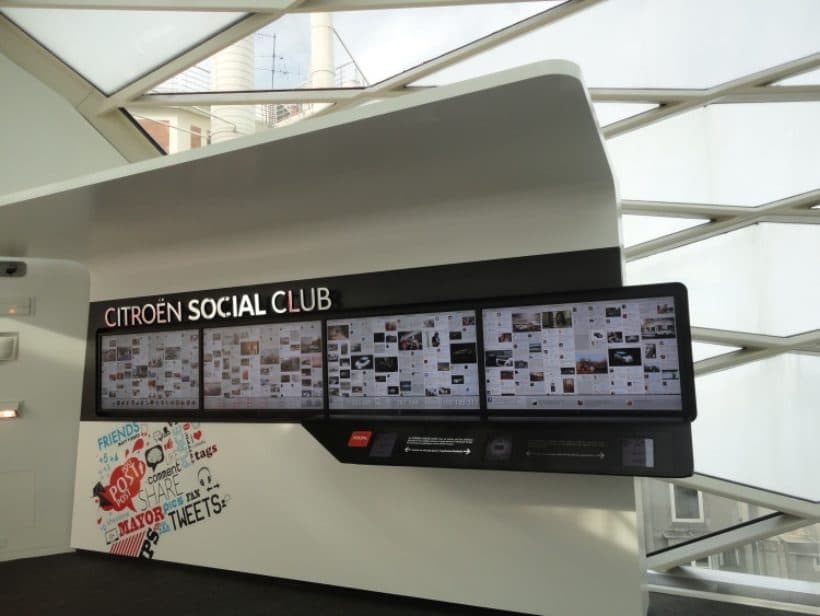
Customers walk into a shop with the internet in their pocket. They've read reviews, watched a demo video, seen the product on a content creator they follow. At the shelf, the label gives them a name, a price, sometimes what it's made of. Between what they already know and what the shop tells them, the gap is often wide.
Retailers that have grasped the importance of cross-channel in marketing strategies are knocking down the wall between their online customers and their in-store ones. The set-ups that last start from a simple idea: bring onto the shop floor what customers go looking for on their phone, namely information and other people's opinions.
What is a connected customer looking for at the shelf?
Confirmation. They want to know whether the product suits what they need it for, whether others are happy with it, whether they're making the right choice. The label answers the “what” and the “how much”. The “who is it for” and the “does it actually work” are found online, in detailed product pages, tutorials and reviews.
The connected store brings these two worlds together. Its method boils down to one question, to ask aisle by aisle: what hesitation is holding the customer back here, and what digital information would clear it up?
How do you display customer reviews in store without misleading anyone?
By applying the same rigour as online. A rating on a label, a selection of reviews on a screen, a “customer favourite” badge: these signals reassure, as long as they are accurate. The Code de la consommation (France's Consumer Code) lists among misleading commercial practices claiming that reviews come from customers who have actually used or bought the product without having taken steps to check this. Posting fake reviews, or editing reviews to promote a product, also falls into that category.
A few rules follow. Say where the reviews come from and how many there are. Date them. Keep some criticism in, because it makes the praise believable. Choose which products to feature on the number of reviews as much as the rating: a 5 out of 5 from three reviews reassures nobody.
Before displaying anything, you need to know what your customers are saying: reviews, comments, videos posted about your products. This listening work feeds the labels, what the sales staff say and the sales assistant's tablet, which can show the same reviews on the shop floor as on the website.
Can a QR code connect the shelf to the web?
Yes, and the barcode itself is heading that way. GS1, the organisation that manages barcode standards, is steering the move from the EAN-13, the barcode scanned at the till today, to the GS1 augmented QR code, which links each product to a digital ID card: composition, use-by date, batch number, usage tips, brand commitments. GS1 France is aiming for these codes to be scanned at the till by the end of 2027. There is no obligation at this stage, and the current barcode will stay on packaging during a transition lasting several years.
So the same code will serve both the till and the customer. What's left is to take care over where it leads. A QR code that takes you to a website's home page is a door opening onto a corridor. It should open a mobile page that answers the question asked at the shelf: how to use it, what to pair it with, what other buyers think of it. On a shelf label or on packaging, the rule is the same.
Why make a shop “Instagrammable”?
Because customers' photos become the shop's window on the web. A place people want to photograph circulates in stories, videos and private messages, and draws in visitors who would never have walked through the door. Internet culture comes into the shop, then heads back out carrying the retailer's name.
A photogenic space is designed that way. It needs flattering light, a signature feature you recognise at first glance, the name of the place visible in the frame and a reason to share right now: a collection, an event, a season. The décor has to tell the brand's story. A flower wall with no link to what you sell produces pretty photos, and no memory of the retailer.
Sales staff have a part to play in this voice too. A tip filmed in the aisle, a new product presented by the person who sells it every day, a video answer to the question they get asked ten times a week: these short formats give the shop a face on social networks. They need a framework (consent from the people filmed, sign-off, a shared tone). In return, they carry online the recommending role that teams already play at the counter.
What strategy for a connected store?
The strategy behind these connected stores fits in one sentence: give the customer's voice pride of place inside the shop, and give the shop a voice online. The starting point is still the customer's hesitation at the shelf, and the answer other customers have already given.
A shop's screens age quickly. What its customers say is renewed every day, provided it is given a place between the aisles.