Showrooming: how the shop keeps the sale
Updated on · By Pascal SCRIVANI
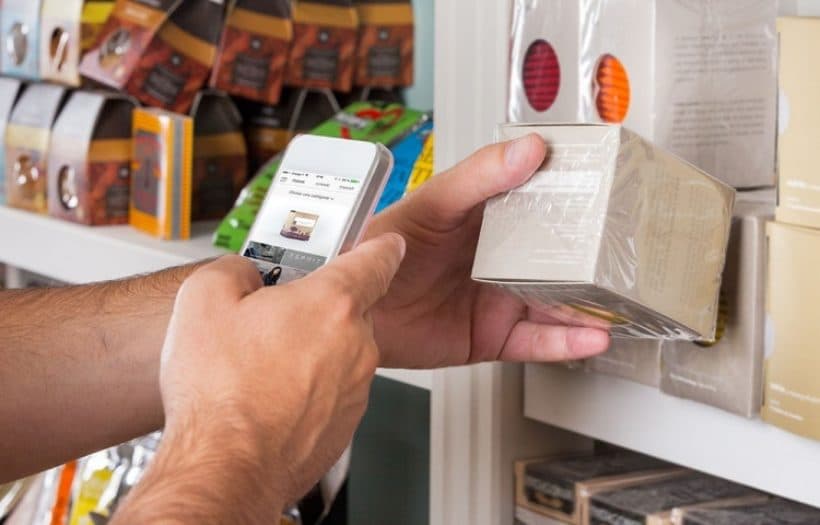
A customer holds a box in one hand and their phone in the other. They photograph the product, and within seconds the screen shows them the same item online, with its prices at other retailers. They have seen it, touched it, asked the sales assistant their questions. They may well buy it elsewhere, tonight, from their sofa.
That's showrooming: examining a product in store, then buying it online, often for less and sometimes from a competitor. It is the opposite of ROPO, for Research Online, Purchase Offline, where people research online before buying in a shop. Both routes coexist among the same customers, and bricks-and-mortar retail has everything to gain from making the most of each.
Why does showrooming worry retailers?
Because the shop pays for the showcase and watches the sale walk out of the door. Rent, stock, displays, staff time: everything that lets someone try a product costs money, and nothing guarantees that the trial ends at the till.
The phone has made comparison instant. According to Google, its image search tool, Lens, handles nearly 20 billion visual searches a month, 20% of them shopping-related (figures published by Google in November 2024). In the United States, Lens will even tell you, from a photo taken in the aisle, whether the shop's price is competitive. No need to type in a product reference: just point your camera.
Which products are most exposed?
Those that can be compared like for like: the same brand, the same reference, sold everywhere, at a price high enough for the difference to matter. Electronics, household appliances, toys and big-name beauty brands are on the front line. Google, in fact, started its in-store price comparison with beauty, toys and electronics.
Others are far less exposed: products that call for advice, a fitting or an adjustment, own-brand products, fresh food, anything that comes with a service. To draw up your own risk map, put yourself in your customer's shoes. Take your fifty best-sellers, photograph them with a phone, and note which ones show up cheaper online in under ten seconds. Your action plan starts with that list.
Should you match online prices?
On a few products, yes; across the whole catalogue, rarely. Three levers work together, depending on your margins and your customers.
- A targeted price promise on the most compared products, clearly displayed, so the customer has no need to take out their phone.
- Offers that are hard to compare: exclusive references, own brands, bundles, in-store-only editions.
- What a screen can't deliver: trying the product, adjusting it, installing it, taking it home straight away, returns with no parcel to post, an extended warranty.
Price then becomes one argument among others, as long as the shop gives a reason to buy now, here, rather than in three days from a stranger.
How do you turn your sales staff into an advantage?
By giving them the same level of information as the customer. The showroomer came to see, touch and try: they are in the shop, and that is the opportunity. A sales assistant who knows the product better than the online listing, who also checks the price shown online and can explain what their own price includes, often wins the comparison.
They also need room to manoeuvre. A sales assistant allowed to make a gesture, on price or on service, closes the sale. One who has to call their manager watches the customer walk away. Equipping sales staff means giving them the information and the right to use it.
The loyalty programme plays the same role on the customer's side. A mobile app with their shopping history lets them find the product they bought last time, its size or shade, and build up perks that only exist when they buy from you.
Can the web send customers back to the shop?
Yes, and it is the best counterweight to showrooming. Search online, buy in store: this reverse route brings customers into the shop who have already made their choice. They still need to know that the product is waiting for them.
Show the stock in each shop on your website, offer online reservation and in-store collection: that's a web-to-store model, which turns a search into a visit. Google makes this possible too, in France as in other countries: thanks to the free local listings in Merchant Center, the tool where retailers upload their catalogue, products sold in store can appear in its results at no cost, in front of nearby shoppers.
What happens after the purchase?
The relationship carries on through the customer's own channels. Someone who bought in store asks their question that same evening in a private message, leaves a review, or asks for advice in the comments under a post. They expect the same responsiveness as at the counter.
These replies need organising: set hours, named people, a shared tone, template answers for frequent questions. They are as much a part of a social media strategy as the posts are, and they weigh on the decision of the next customer, who will read them before coming in.
The customer who takes out their phone in the aisle is asking a question. If the sales assistant answers it first, the sale stays in the shop.